

Admin
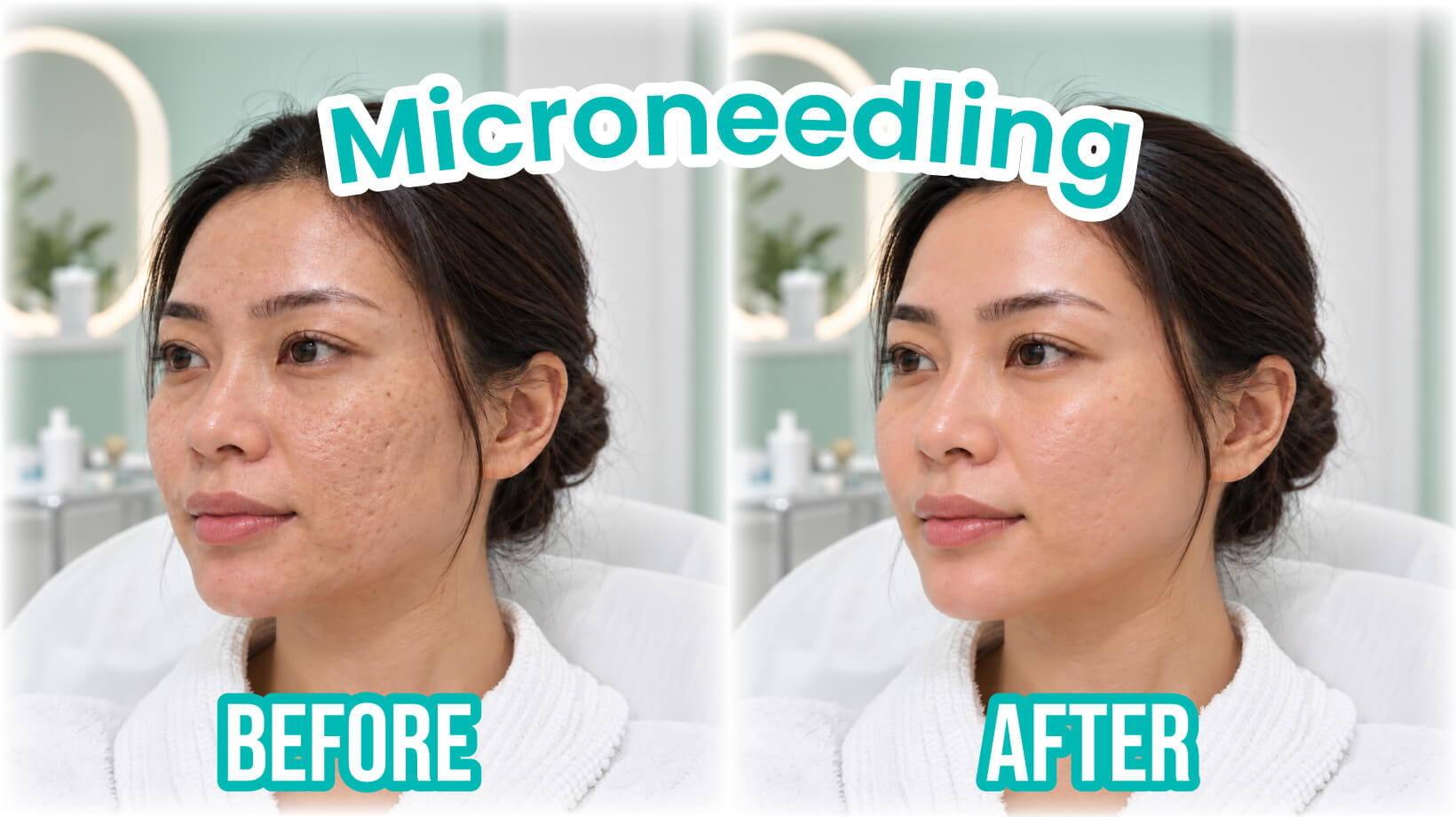
Microneedling is one of the most effective minimally invasive treatments for acne scars, uneven texture, and skin quality. What happens after a microneedling session is just as important as the treatment itself, and understanding the healing process, what is normal, and how to care for the skin in the days that follow makes a significant difference to how well results develop and how long they last. This article explains what to expect after microneedling, how the healing process unfolds day by day, what side effects are normal, and how to support recovery at home.
MyClinic provides professional microneedling treatments tailored to each patient’s skin type, concern, and history. Every session is preceded by a consultation to ensure the correct needle depth, treatment intensity, and aftercare plan are matched to the patient’s skin.
For patients considering microneedling specifically for acne scarring, our guide on microneedling for acne scars explains how it addresses different scar types and what improvement to expect over a course of sessions.
Microneedling uses a device fitted with fine needles to create controlled micro-injuries across the skin’s surface. These trigger the skin’s natural wound-healing cascade, including the production of new collagen and elastin.
This collagen induction process drives the long-term improvements microneedling delivers:
In the hours immediately following a microneedling session, it is normal to experience:
These responses are a sign that microneedling has effectively stimulated the skin’s healing response and are not a cause for concern. Redness and sensitivity are most pronounced on the day of treatment and begin to settle within 24 to 48 hours.
The skin’s response follows a broadly predictable pattern, though the exact timeline varies by needle depth and individual skin response.
Normal side effects after microneedling:
Signs that warrant contacting the clinic:
Practitioners at MyClinic provide tailored aftercare guidance at the end of each session.
According to the American Academy of Dermatology, treating acne scars may require 3 to 5 microneedling treatments performed every 2 to 4 weeks, and it usually takes several months to see full results.
MyClinic’s acne and scar treatments incorporate microneedling as part of a structured plan that accounts for the number of sessions needed and how the skin is progressing.
Consider booking a microneedling consultation if:
Our skin pigmentation page is a useful resource for patients whose microneedling goals include improving uneven tone alongside texture.
Proper aftercare makes a meaningful difference to how well and how quickly the skin heals after microneedling. To support recovery and protect results:
For most patients, redness begins to subside within 24 to 48 hours and is largely resolved by day 3 to 5. Deeper sessions may involve redness that persists slightly longer. Sensitivity to sun and touch usually settles within the same timeframe.
Most practitioners recommend avoiding makeup for the first 24 to 48 hours while the skin is most vulnerable. Once redness has settled and the skin feels comfortable, mineral-based makeup is generally well tolerated. Your practitioner at MyClinic will advise based on your individual response.
Microneedling involves minimal downtime. Most patients return to normal daily activities within 24 to 48 hours, though visible redness may persist for a few days. Most patients plan sessions to avoid important events in the 3 to 5 days immediately following treatment.
The temporary worsening some patients notice in the first few days is a normal part of the healing response. The skin is actively repairing the micro-injuries created during treatment, and redness, tightness, and mild dryness reflect this process. As healing completes and new collagen forms, the skin progressively improves beyond its pre-treatment baseline.
Most protocols space microneedling sessions 4 to 6 weeks apart, allowing the skin to complete its healing cycle and for new collagen to mature before the next session. Your practitioner at MyClinic will recommend the most appropriate interval based on your skin’s response and treatment goals.
What happens to your skin after microneedling is a carefully orchestrated healing process that, when properly supported, leads to meaningful and lasting improvements in texture, tone, and quality. Understanding the stages of recovery, following the right aftercare steps, and allowing the full timeline for results to develop are the most important things a patient can do.
If you are considering microneedling or want to know more about what to expect, the experienced team at MyClinic is ready to help. Contact MyClinic to book a consultation and take the first step toward healthier, clearer skin.