

Admin
Dark spots on skin are something many people live with for years, cycling through brightening products with minimal improvement When home care may not be enough are usually clearer than we realise, and acting at the right time makes treatment more effective. This article explains when professional advice may be helpful, what happens when treatment is delayed, and what to expect when you seek help.
MyClinic provides professional consultations and treatments for all types of dark spots on skin, including post-acne marks, melasma, sun damage, and freckles. Every consultation begins with an assessment of the type, depth, and cause of the pigmentation before any treatment is recommended.
For patients who want to understand what drives dark spots on skin and why they resist home care, our guide on why dark spots on skin keep coming back covers the underlying causes.
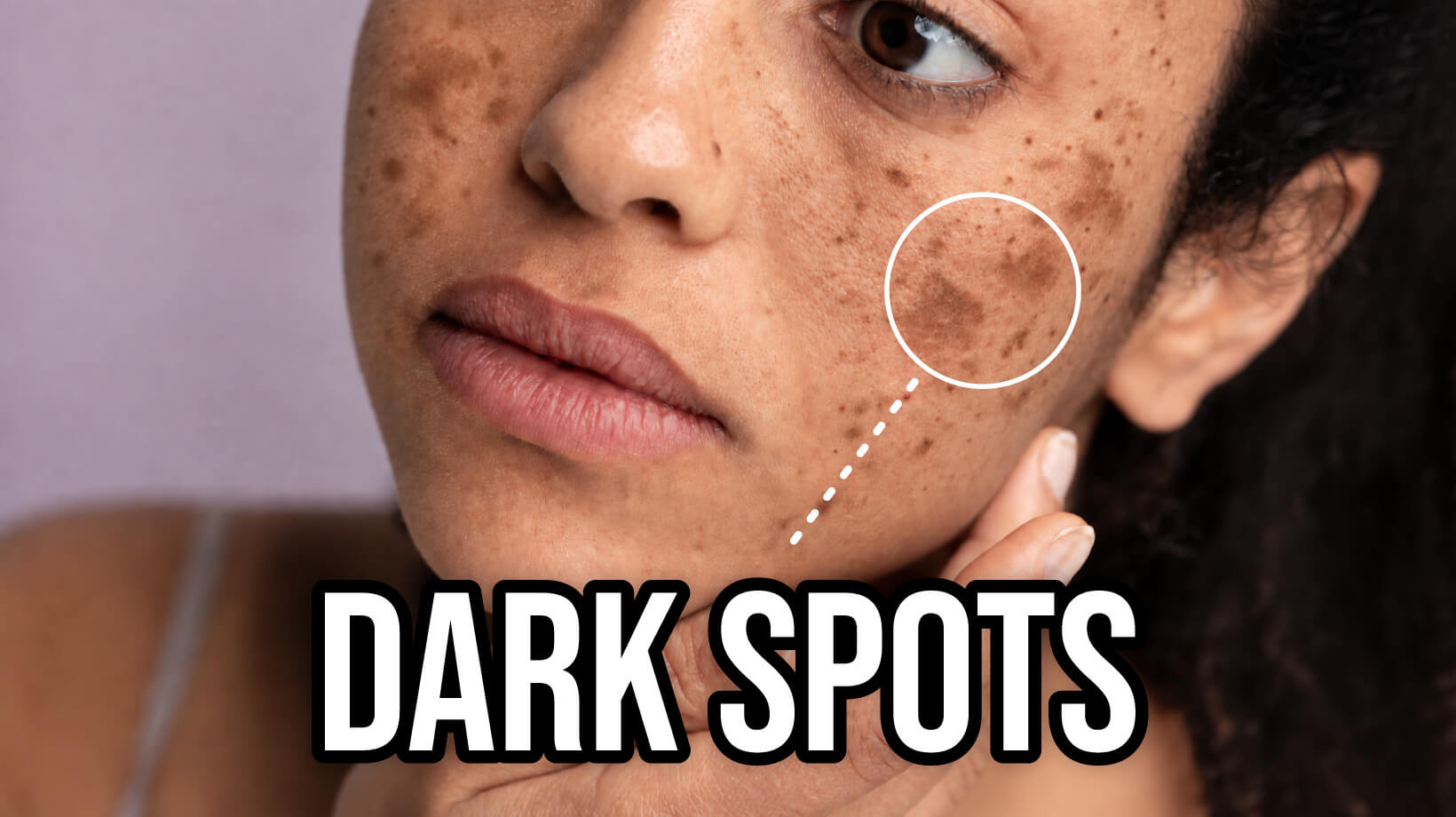
Dark spots on skin develop when melanin is produced in excess in a specific area. The most common types are:
Knowing which type a patient has is the starting point for treatment, as depth, cause, and skin tone determine what will work.
Home care is a reasonable first step for mild or recent dark spots on skin, but several signs indicate that professional treatment is needed:
Early assessment can help determine the most appropriate treatment approach. Pigmentation caught in the upper layers is significantly easier to address than pigmentation that has had time to deepen. Our guide on dark spots vs melasma on Asian skin helps clarify which type of pigmentation you may have and why a professional assessment matters.
Many patients delay treatment for dark spots on skin, hoping for natural resolution or assuming professional care will not offer much more than home products. In some cases, pigmentation may persist or become more noticeable over time
According to Harvard Health, sun exposure is the main factor that worsens melasma, and the pigmentation returns quickly without careful sun protection. Early management alongside consistent sun protection therefore matters.
Patients most at risk of persistent dark spots include those with:
MyClinic’s pigmentation and melasma treatments are designed for the full range of skin tones in Malaysia, with approaches adjusted to minimise the risk of further pigmentation.
Professional treatment for dark spots on skin typically involves a combination of approaches. A consultation at MyClinic identifies the type and depth of the dark spots and builds a plan that may include:
Results develop gradually, with most patients seeing meaningful improvement within 4 to 8 weeks. For melasma and deeply embedded pigmentation, a longer-term maintenance plan is usually necessary to prevent recurrence.
Professional treatment works best alongside a consistent home routine. To support results between sessions:
Post-acne marks are localised to areas where breakouts occurred. Melasma presents as larger, more diffuse patches across the cheeks, upper lip, or forehead, and worsens with sun exposure and hormonal changes. A professional assessment is the most reliable way to distinguish between the 2.
Some mild post-inflammatory dark spots in lighter skin tones fade naturally over 3 to 12 months with consistent sun protection. Melasma, deeply embedded pigmentation, and dark spots in medium to deep skin tones are unlikely to resolve without targeted treatment.
Yes, with the right approach. Asian and deeper skin tones require carefully calibrated treatments, as some approaches carry a higher risk of triggering further pigmentation if not adjusted for higher melanin activity. At MyClinic, treatments are tailored to each patient’s skin tone.
Superficial post-inflammatory marks can respond meaningfully in 2 to 4 sessions, while melasma and deeply embedded sun damage typically require a longer course and ongoing maintenance. Your practitioner will outline a realistic plan during your consultation.
Yes, particularly melasma and post-inflammatory pigmentation in acne-prone patients. Dark spots can recur if sun protection lapses, hormonal triggers continue, or new skin trauma occurs. A maintenance plan and consistent sun protection are essential for long-term results.
Dark spots on skin rarely resolve quickly on their own, particularly for patients with medium to deep skin tones, a history of acne, or any form of melasma. Recognising when professional treatment is needed and acting before pigmentation deepens significantly improves the chances of a successful outcome.
If your dark spots on skin are not responding to home care or are becoming more prominent, the experienced team at MyClinic is ready to help. Contact MyClinic to book a consultation and find a plan that addresses your pigmentation precisely and safely.