

Dr. Lai Yean Chen
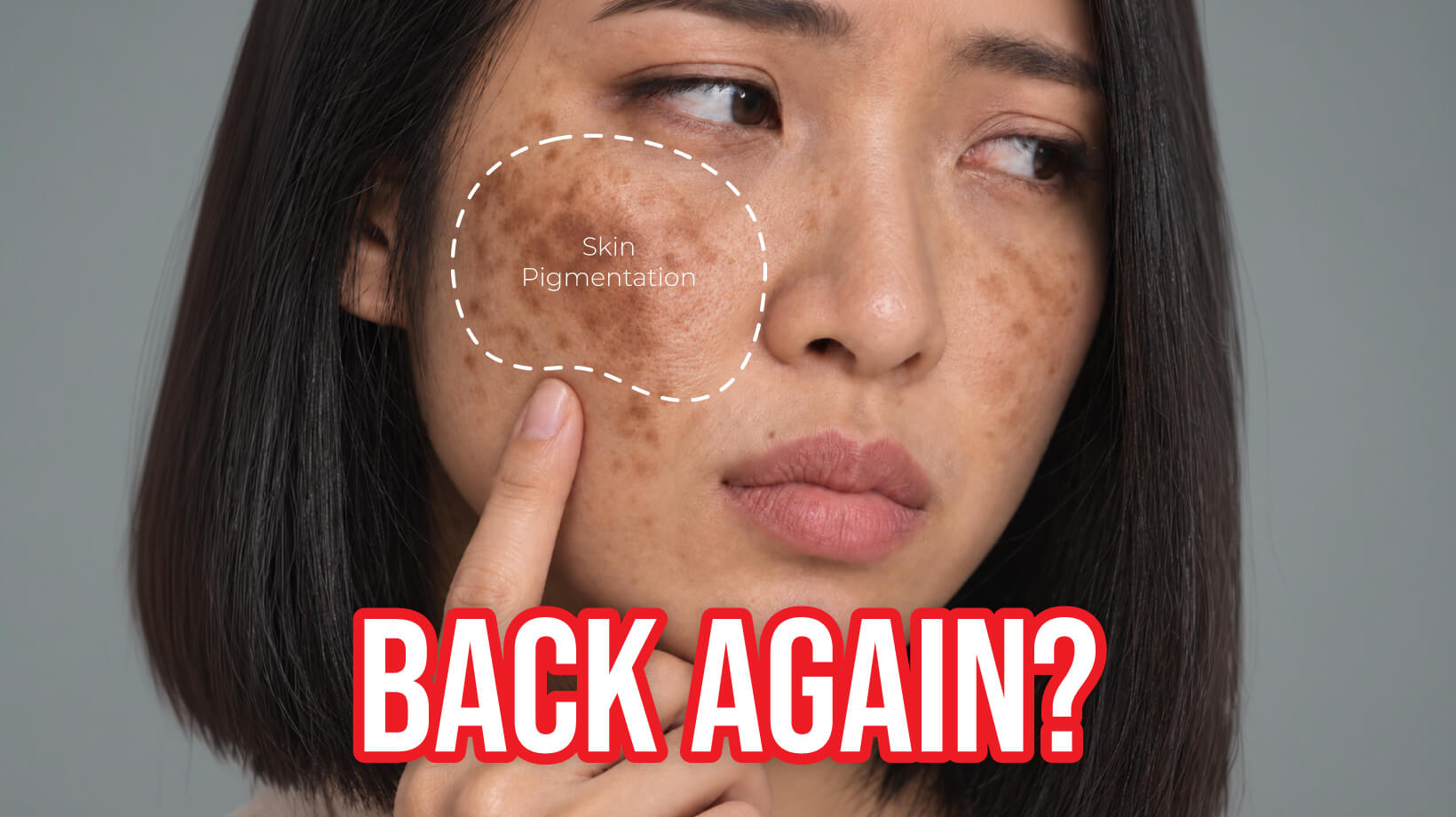
Skin pigmentation that returns after treatment is one of the most common frustrations patients describe. Progress is made, the skin clears, and weeks or months later the dark patches reappear. The reason is often the same: the underlying trigger has not been addressed alongside the pigmentation itself. This article explains what the most common triggers are and what a properly structured approach looks like when the goal is lasting clearance.
MyClinic provides professional consultations and treatments for all types of skin pigmentation, with a specific focus on identifying and addressing the triggers that cause pigmentation to return. Every consultation begins with understanding what is driving the pigmentation before any treatment is recommended.
For patients who want to understand whether their skin pigmentation is likely to fade on its own or requires clinical intervention, our guide on how to spot the signs of skin pigmentation vs sun damage explains the difference.
Skin pigmentation is produced by melanocytes, specialised cells responsible for melanin synthesis. When repeatedly stimulated, they are thought to become sensitised and produce melanin more readily in response to smaller triggers than before. This may be why skin pigmentation tends to come back more easily the more times it has appeared.
Treating the pigmentation clears the existing melanin deposit but does not necessarily change how readily melanocytes respond. The most common triggers are UV exposure, hormonal activity, inflammation from skin trauma or acne, and irritating products, and more than one is often active at the same time.
UV radiation is one of the most common drivers of recurring skin pigmentation and is often underestimated. Everyday exposure can be enough to trigger and maintain pigmentation, including:
Sun protection should usually continue after treatment, not stop once the pigmentation clears. A 2025 global expert consensus on pigmentation disorders, indexed on PubMed, places particular emphasis on broad-spectrum photoprotection when managing conditions such as melasma and post-inflammatory hyperpigmentation.
Melasma is the form of skin pigmentation most closely associated with hormonal activity and it is often prone to recurring. Hormonal changes, most commonly related to oestrogen and progesterone, are thought to increase melanocyte sensitivity to UV exposure. Factors linked to melasma include:
According to MedlinePlus, melasma can return in future pregnancies or if hormone medicines are used again. Melasma management therefore involves not just treating the pigmentation but also evaluating the hormonal component and establishing a long-term maintenance plan.
Post-inflammatory hyperpigmentation develops after skin trauma from acne, eczema, cuts, or aggressive products. Melanocytes produce melanin as part of the healing response, leaving a flat dark mark after inflammation resolves.
This type of skin pigmentation keeps coming back when the source of inflammation has not been controlled:
MyClinic’s acne and scar treatments address both active acne and post-inflammatory pigmentation, recognising that controlling inflammation is a necessary first step.
Some patients inadvertently perpetuate recurring skin pigmentation through their skincare routine. Common culprits include:
Our guide on habits that worsen skin pigmentation covers the most common everyday mistakes.
Addressing skin pigmentation that keeps returning requires more than repeat treatment of the same marks. A properly structured approach:
At MyClinic, patients whose skin pigmentation has returned undergo a reassessment that identifies what has changed or what was not addressed in the initial plan.
Our guide on why dark spots on skin keep coming back explains what makes some types of pigmentation harder to treat than others.
Consider booking a professional consultation if your skin pigmentation:
Managing recurring skin pigmentation requires a consistent home routine alongside professional treatment. To support results between sessions:
Professional treatment clears existing melanin deposits but does not prevent new melanin from forming, which is why ongoing maintenance matters.
Melasma can often be managed but is not usually permanently cured. Treatment can produce clearing, but ongoing maintenance, including sun protection and, where relevant, a review of hormonal factors, is typically needed. Results vary between patients.
In some cases, yes. If treatment is not correctly calibrated for the patient’s skin tone, or if activities that trigger melanin production resume immediately after, the skin can respond with a more pronounced pigmentation reaction. This can be particularly relevant in patients with deeper skin tones, which is why treatment at a qualified clinic with experience across all skin tones is important.
This depends on the type of pigmentation, the triggers in play, and how consistently sun protection is maintained. Some forms of post-inflammatory pigmentation that are well managed may not return after successful treatment. Melasma and pigmentation in sun-exposed areas are more likely to require ongoing maintenance.
For some patients, stopping hormonal contraception can trigger a shift in skin pigmentation, sometimes improving melasma and sometimes causing it to flare. The relationship is individual and depends on how hormones affect melanocyte sensitivity. A professional consultation helps to assess this and plan accordingly.
Whether the trigger is UV exposure, hormonal activity, post-acne inflammation, or a combination, identifying and managing it is key to results that last.
If your skin pigmentation is recurring despite previous treatment, the experienced team at MyClinic is ready to help. Contact MyClinic to book a consultation and find a plan that addresses both the pigmentation and what is driving it.