

DrExample · MMC 00000· 6 August 2026
Many patients hope skin pigmentation will fade on its own, and some types do. The encouraging part is that every type can look clearer with the right plan, whether that means a little patience or a little professional support.
This article shows which types of skin pigmentation may fade naturally, which respond best to professional care, and what you can do to help your skin along.
MyClinic provides professional assessments and treatment plans for all types of skin pigmentation, including post-acne marks, melasma, sun damage, and uneven tone. Every consultation begins with identifying the type, depth, and cause of the pigmentation, so your plan is built around your skin.
For patients managing skin pigmentation alongside other skin concerns, our guide on 8 signs your skin needs a professional facial treatment covers when professional care makes a meaningful difference.
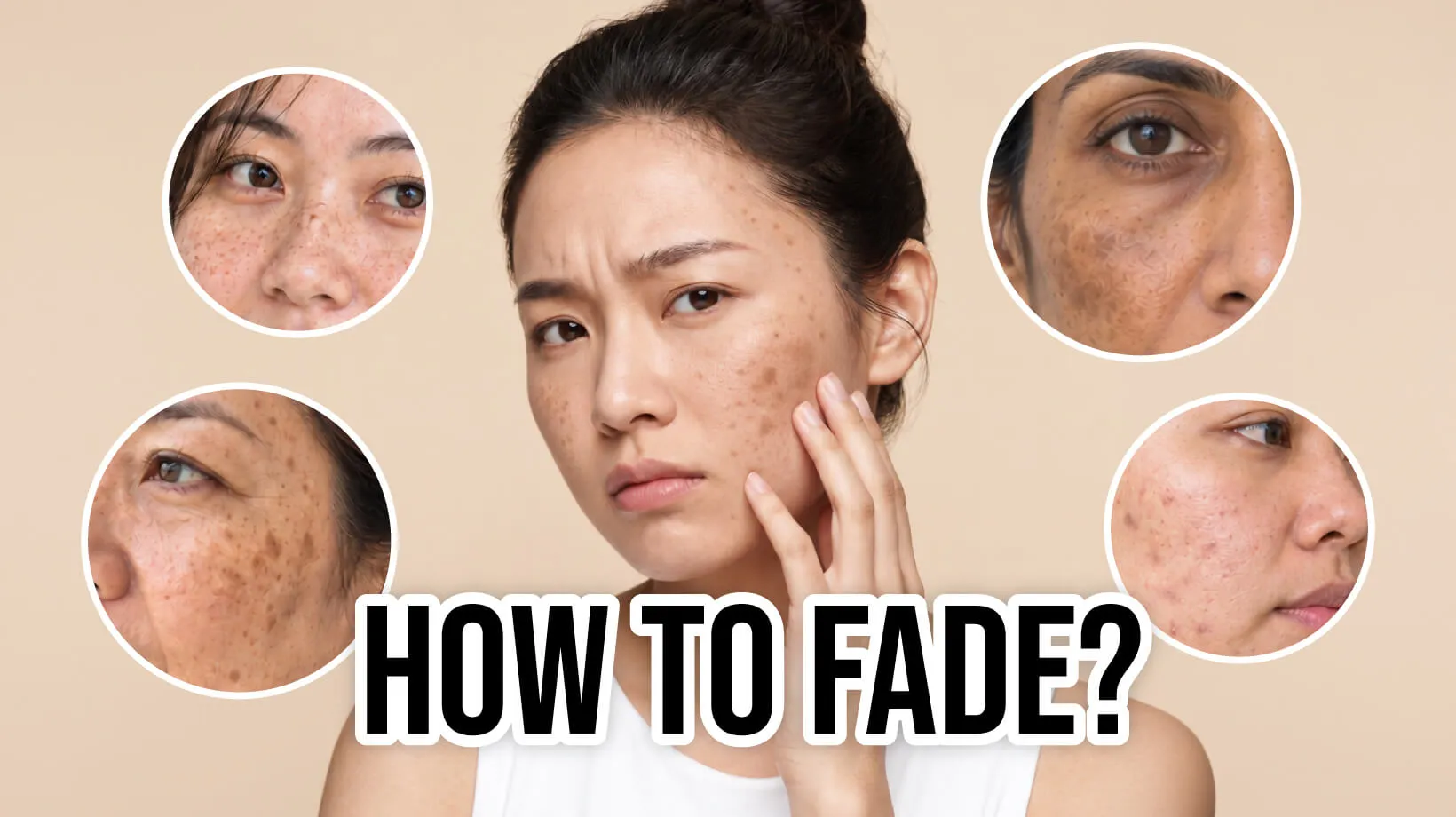
Skin pigmentation refers to the colouring of the skin, determined by the amount and distribution of melanin. When melanin is produced in excess or unevenly, areas of darker skin appear. Pigmentation concerns fall into several categories, each with a different likelihood of fading without treatment:
Some types of skin pigmentation can fade over time without professional treatment, which is good news for many patients.
This is the type most likely to fade naturally. As the skin heals, pigmented cells in the upper layers are gradually shed through the natural cell turnover cycle. In patients with lighter skin tones and mild pigmentation, this can result in noticeable fading over 3 to 24 months. Gentle care and daily sunscreen help the process along.
Freckles can lighten with reduced sun exposure and consistent sun protection. Their appearance is closely tied to sun habits, so keeping up daily sunscreen helps them stay lighter.
Other types of skin pigmentation do not usually fade through the skin’s natural healing. They respond best to a targeted plan, and these are the cases where professional care makes the biggest difference.
Melasma is driven by hormonal activity and sun exposure, so it responds best to a structured plan that looks after both the pigmentation and its triggers. The American Academy of Dermatology notes that melasma tends to become more noticeable with sun exposure, and that protecting the skin from the sun is key to managing it. With the right plan and consistent sun protection, your skin has the best chance of looking clearer and more even.
Solar lentigines form from years of cumulative UV exposure, so they are not part of a healing process that fades by itself. A professional plan can target them directly, and daily sunscreen helps keep the results.
In medium to deep skin tones, where melanin activity is higher, deeper pigmentation can take longer than expected to settle. A professional plan can speed up progress and give you a clear idea of what to expect.
Whether pigmentation is fading naturally or with professional help, a few habits make the biggest difference:
Professional treatment is most valuable when natural fading is unlikely, pigmentation is affecting your confidence, or you would like to see results sooner. MyClinic’s pigmentation and melasma treatments are matched to each patient’s skin tone and pigmentation type, targeting melanin at the right depth so your plan suits your skin.
For patients whose skin pigmentation includes textural scarring alongside discolouration, combining pigmentation treatment with our microneedling for acne scars can deliver more comprehensive improvement than either approach alone.
You can start at any stage. Many patients find it helpful to book a consultation if:
A professional assessment is the most reliable way to understand what is driving your pigmentation and to get a plan with clear expectations.
A consistent routine helps whether you are having professional treatment or letting lighter pigmentation fade naturally:
Mild post-inflammatory hyperpigmentation in lighter skin tones can fade within 3 to 6 months with consistent sun protection. Deeper pigmentation, including melasma and sun spots, usually responds best to professional treatment, which gives you a clear plan and timeline.
Sunscreen does not actively fade existing pigmentation, but it stops new melanin from forming in affected areas, so your skin’s natural renewal can lighten discolouration without constant interference. It is an essential part of any pigmentation plan.
No. Skin pigmentation is a broad term covering all forms of uneven melanin distribution, including post-acne marks, sun spots, and freckles. Melasma is a specific type driven by hormonal factors and UV exposure, and it responds best to a structured, long-term plan.
It can, particularly melasma and post-inflammatory hyperpigmentation in acne-prone patients, but the right habits keep your results looking their best. Daily sun protection, gentle skin care and follow-up advice from your practitioner help maintain a clearer, more even tone.
Yes. At MyClinic, treatments are selected and adjusted for each patient’s skin tone, so your plan is suited to you from the first visit. Your practitioner will also explain what to expect and how to prepare.
Please arrive with make-up free skin, so your practitioner can assess your skin clearly and carry out your treatment comfortably. Your practitioner will advise when you can resume make-up afterwards, as this depends on the treatment you have.
Whether skin pigmentation fades without treatment depends on its type, depth, skin tone, and how consistently UV exposure is managed. Lighter post-inflammatory marks may fade naturally, while melasma, sun spots, and longer-lasting pigmentation respond best to a professional plan. The encouraging news is that clearer, more even skin is achievable with the right approach.
If your skin pigmentation is not fading as you hoped, or you would like a clear plan, the experienced team at MyClinic is ready to help. Contact MyClinic to book a consultation and find a plan that suits your skin.