

DrExample · MMC 00000· 6 August 2026
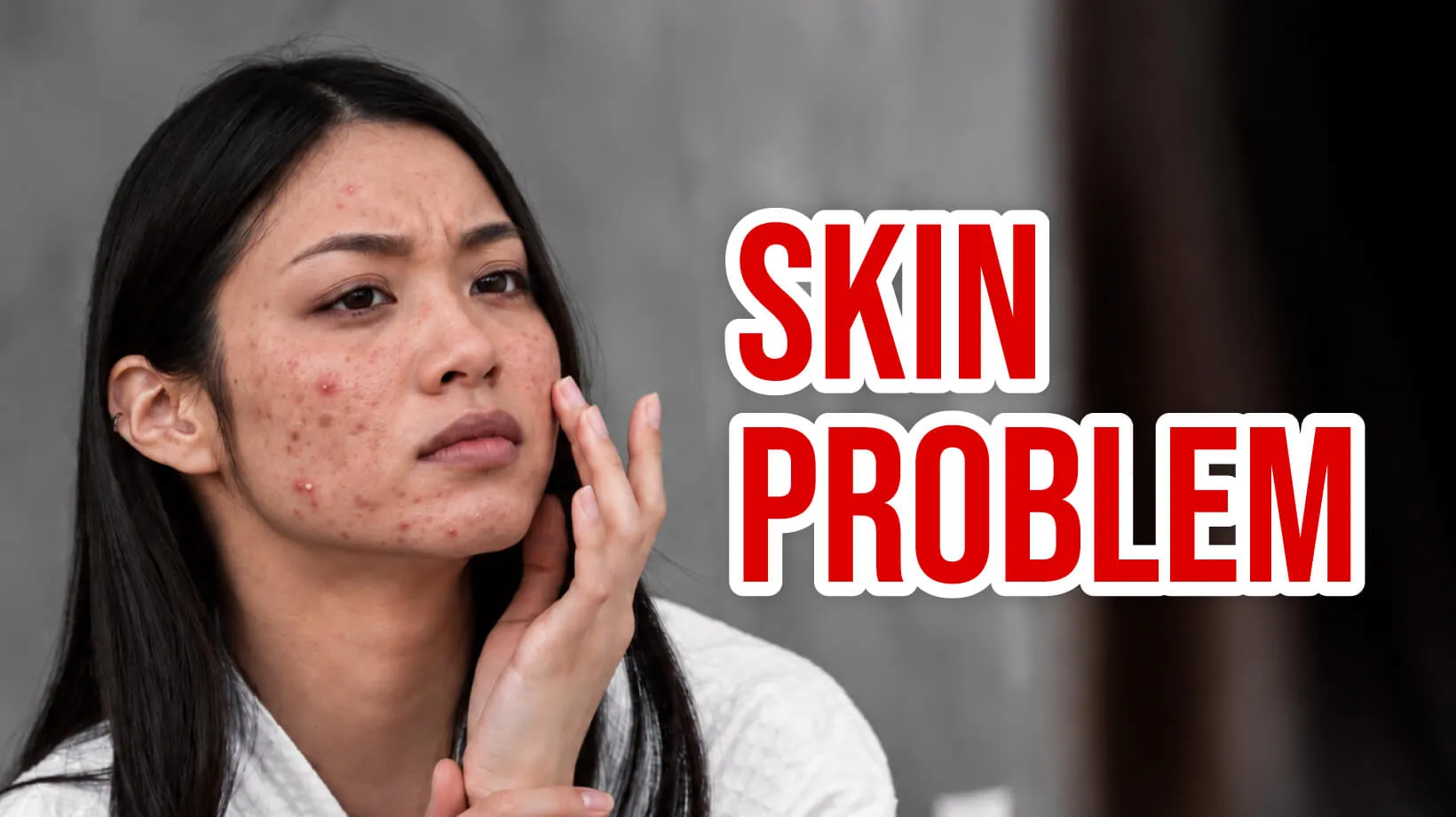
Most people experience the occasional breakout and think little of it. But a recurring skin problem often turns out to be more complex than it appears, and recognising the difference early can change how effectively it is treated and how much lasting damage it causes.
This article explains the signs that a skin problem has moved beyond a basic breakout, which conditions are commonly mistaken for acne, and when professional assessment is the right next step.
MyClinic provides professional consultations for a wide range of skin problems, from persistent acne and pigmentation to redness, sensitivity, and structural skin changes. Every assessment begins with identifying what is driving the concern before any treatment is recommended.
Our guide on 8 signs your skin needs a professional facial treatment outlines the concerns most commonly seen in a clinical setting and where professional care makes the most significant difference.
A standard breakout involves a spot or 2 appearing in isolation, resolving within a week or 2, and leaving no lasting mark. A skin problem that has moved beyond this shows one or more of the following:
When any of these are present, over-the-counter products rarely address the cause fully. A professional assessment identifies what is driving the skin problem, which is the only reliable way to choose a treatment that works.
Several conditions are dismissed as ordinary acne when they are distinct skin problems that respond poorly to standard acne treatment.
Hormonal acne is one of the most common skin problems misidentified as a basic breakout. It appears along the jawline, chin, and lower cheeks, worsens in a predictable monthly pattern, and involves deeper, more painful spots than surface-level congestion. Because it is driven by fluctuating hormones, it does not respond well to topical-only treatment and requires a plan that addresses the hormonal trigger.
Rosacea is characterised by persistent redness, visible blood vessels, and flushing, often accompanied by spots that resemble acne. It is frequently mistaken for sensitive skin in its early stages. Standard acne products can worsen rosacea, as many active ingredients are too harsh for the compromised skin barrier it involves.
Perioral dermatitis produces clusters of small red bumps around the mouth, nose, and sometimes the eyes. Often triggered by topical steroids or heavy moisturisers, it is regularly misidentified as acne, and standard acne treatment is usually ineffective.
Contact dermatitis occurs when the skin reacts to a specific ingredient or allergen, producing redness and spots that resemble a breakout. Unlike acne, it appears suddenly after a new product is introduced and resolves when the trigger is removed.
Some of these conditions are better assessed by a skin specialist than treated as routine acne. This includes severe acne with deep, painful nodules or cysts, acne that is starting to leave scars, and hormonal acne that has not improved with standard treatment. Rosacea, perioral dermatitis and contact dermatitis also benefit from a specialist diagnosis, as each needs a different plan from acne care.
MySkin Specialist Clinic by MyClinic is led by Dr Liyana Dhamirah, a specialist in internal medicine and dermatology, and treats acne, rosacea, eczema, dermatitis and other skin, hair and nail conditions. If your breakouts point to one of the conditions above, you can read more about dermatology care at MySkin Specialist Clinic before booking an assessment.
Post-inflammatory hyperpigmentation and atrophic scarring, which leaves indented marks in the skin, are both signs that breakouts have been severe enough to cause structural or pigmentary damage.
The American Academy of Dermatology notes that treating acne early and consistently helps prevent scarring. Patients who develop marks after every breakout need professional attention. MyClinic’s acne and scar treatments address both active acne and the residual marks it leaves.
Ongoing redness, stinging, or a skin barrier that feels constantly reactive are signs of a skin problem that has moved beyond a breakout. These symptoms can indicate a compromised barrier, rosacea, perioral dermatitis, or an underlying sensitivity condition, all requiring a different approach than standard acne management. Using harsh actives on reactive skin can worsen the condition, and a misdiagnosis can lead to months of ineffective treatment.
Consider booking a consultation if:
Our pigmentation page explains the options available for patients also dealing with pigmentation.
A few consistent habits can help prevent a skin problem from worsening:
Standard acne involves blackheads, whiteheads, and spots across the face, chest, or back. If breakouts are concentrated along the jawline, accompanied by persistent redness or flushing, or do not respond after 6 to 8 weeks of treatment, a professional assessment is worth seeking.
Yes. Recurring acne can lead to permanent scarring, rosacea can worsen and become harder to manage, and conditions like perioral dermatitis can spread if the trigger is not identified.
Yes, and this is more common than patients realise. It is possible to have hormonal acne alongside rosacea-like sensitivity, or post-acne pigmentation alongside an ongoing breakout pattern.
A skin type describes the baseline characteristics of your skin. A skin problem is a condition that goes beyond those characteristics and causes visible symptoms or damage. The same skin type can be prone to different skin problems depending on genetics, hormones, and lifestyle.
If a skin problem involves sudden unexplained changes such as a rapidly changing mole, widespread rash, or symptoms accompanied by fever, a doctor should be consulted promptly. For persistent acne, pigmentation, scarring, redness, and sensitivity, an aesthetic clinic with qualified medical practitioners such as MyClinic is well equipped to assess and treat these concerns.
A skin problem that keeps returning, leaves marks, causes persistent redness, or does not respond to home care has moved beyond a simple breakout. Identifying what is driving the concern, whether hormonal acne, rosacea, a compromised barrier, or post-acne damage, is the only way to choose a treatment that genuinely works.
If your skin problem is not resolving on its own, the experienced team at MyClinic is ready to help. Contact MyClinic to book a consultation and take the first step toward treating your skin properly.