

DrExample · MMC 00000· 6 August 2026
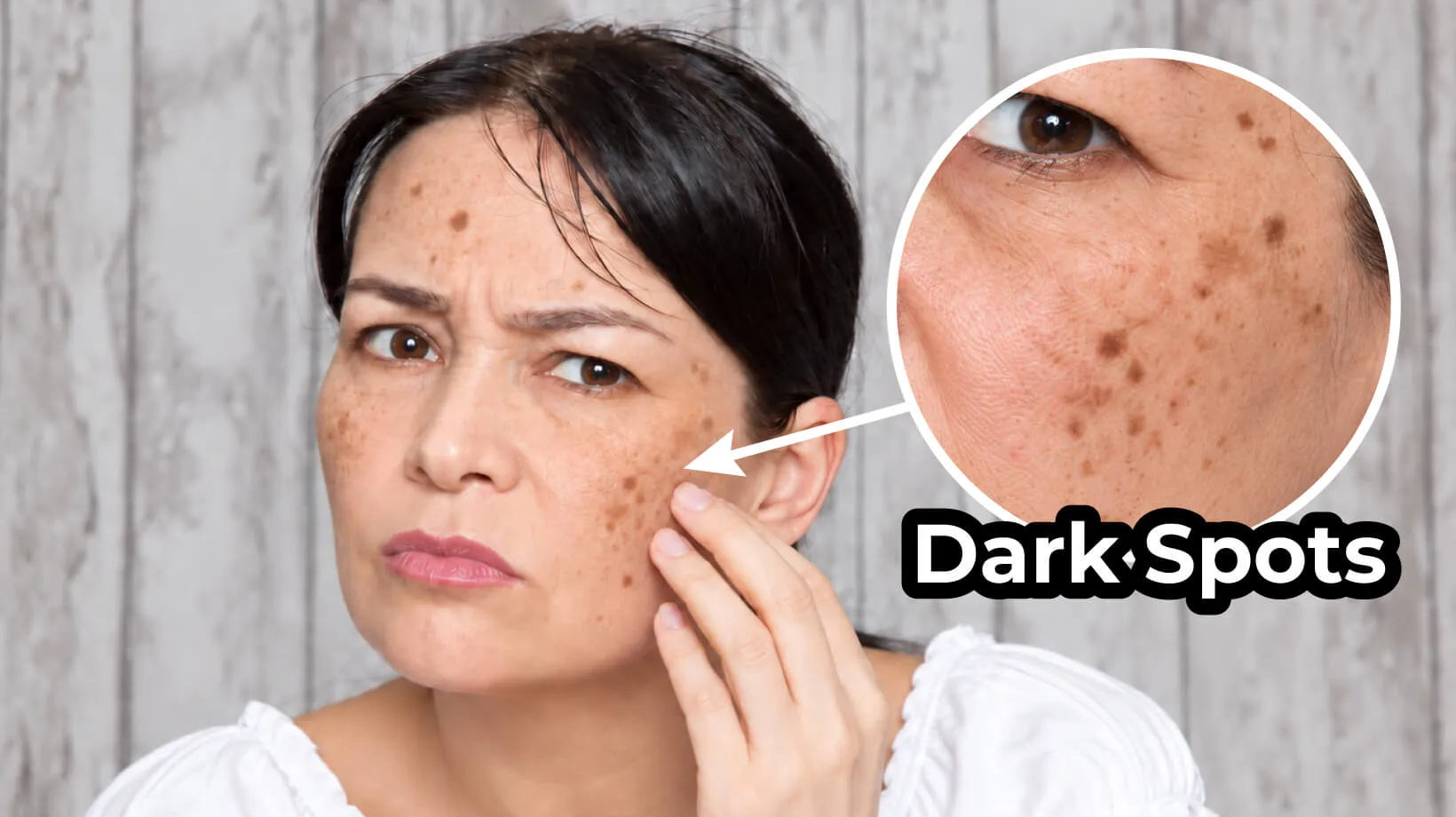
Many patients arrive at MyClinic for pigmentation treatment for dark spots on skin after months of brightening products have changed very little. The products are rarely the whole explanation. Dark spots stall for specific reasons: where the pigment sits, what keeps triggering it, and how the skin reacts to the routine used to treat it.
This article explains why dark spots on skin stop responding to home care, which habits keep them in place, and what a professional approach changes.
Dark spots can take time to fade because pigmentation varies in depth and may be influenced by factors such as sun exposure, hormonal changes and acne. While some spots improve with consistent home care, others may benefit from a personalised treatment plan to achieve more noticeable results.
The table below shows how pigment depth affects the response to topical products.
| Pigment type | Where it sits | Response to home care |
|---|---|---|
| Epidermal | Upper layer of the skin | Often responds to topical ingredients and natural cell turnover |
| Dermal | Deeper layers, where melanin is held by cells below the surface | Topical products reach it poorly |
| Mixed | Both layers | Fades partway, then stalls |
Irritation keeps dark spots on skin from clearing because inflammation signals melanocytes to produce more pigment. A routine meant to fade a spot can therefore darken it, and the response is stronger in medium to deep skin tones, where the same product can lighten one person’s spots and darken another’s.
Common triggers of this cycle include:
The most common mistakes are choosing products that do not match the pigment, layering too many activities, changing products too often, applying sunscreen inconsistently, and overlooking heat and visible light. These factors can influence how effectively pigmentation responds to treatment, which is why home routines plateau.
Dark spots on skin return when the trigger continues, whether that is UV exposure, hormonal shifts or recurring acne. Even after dark spots fade, ongoing care can help maintain the results, because the melanocytes in that area stay primed to produce pigment again. Melasma is the clearest example, and relapse is common without maintenance.
Maintenance after fading means:
Medium to deep skin tones have higher baseline melanin activity, so dark spots on skin are more visible, slower to clear and more likely to rebound after irritation. Treatment options should be carefully selected, because some strong peels and laser settings can trigger new pigmentation if they are not calibrated to the patient’s skin tone.
Other factors also make pigmentation harder to clear:
For patients managing dark spots alongside other skin concerns, our guide on 8 signs your skin needs a professional facial treatment explains when professional care is the right next step.
Professional treatment is built around the reasons home care stalls. A practitioner identifies the pigment depth, trigger and skin tone first, then selects peels, laser or light-based treatments, or prescription-strength topical agents, that act at the right depth without provoking rebound pigmentation.
The table below compares what home care and professional treatment can each do for dark spots on skin.
| Factor | Home care | Professional treatment |
|---|---|---|
| Pigment depth | Reaches surface pigment only | Peels, lasers and light-based treatments act at the depth of the pigment |
| Triggers | Depend on the patient spotting and managing them | Assessment identifies UV, hormonal and acne triggers, and the plan addresses them |
| Skin tone | Product choice is guesswork | Treatment type and settings are matched to skin tone |
| Irritation risk | Higher when several actives are layered | Controlled by a practitioner and adjusted between sessions |
| Maintenance | Often stops once spots fade | Follow-up plan to prevent relapse |
MyClinic’s pigmentation and melasma treatments are tailored to each patient’s skin tone and pigmentation type, so the approach is effective and safe across a wide range of complexions, including deeper and Asian skin tones where post-treatment pigmentation risk must be carefully managed.
For patients whose dark spots are linked to past breakouts, our guide on microneedling for acne scars covers a professional option for the texture and pigmentation that acne leaves behind.
See a professional when dark spots on skin have stayed the same or darkened despite a gentle, consistent routine with daily sunscreen, or when the pattern suggests melasma. Early assessment avoids months spent on a routine that cannot reach the pigment, and avoids irritation that makes the spots darker.
Serums act on surface pigment, so spots with a deeper component fade partway and then stop. A serum also cannot offset daily UV exposure or irritation from other products. Check that sunscreen is consistent and the routine is gentle, then ask a practitioner to assess pigment depth if nothing changes.
Layering several raises the risk of irritation, which can trigger more pigment. Introduce one active at a time and judge it over several weeks before adding another. If the skin stings, flakes or turns red, pause the newest product and keep to cleanser, moisturiser and sunscreen until it settles.
Exfoliating too often, or with strong products, inflames the skin, and inflammation stimulates melanin production. The spot can look darker as a result, particularly in medium to deep skin tones. Pausing exfoliation and keeping to a gentle routine with daily sunscreen usually lets the skin settle.
Not necessarily. Higher concentrations and frequent use raise the chance of irritation, which can worsen pigmentation. A product suited to the depth and type of pigment, used consistently, usually does more than a stronger one used aggressively. A practitioner can advise when a stronger option is appropriate.
About three months of a gentle, consistent routine with daily sunscreen is a reasonable trial. Book sooner if spots are darkening or spreading, or if marks across the cheeks or upper lip suggest melasma. A professional assessment may help identify suitable treatment options when pigmentation does not improve with home care.
Dark spots on skin stall when pigment sits deeper than home products reach, when irritation or sun exposure keeps restarting melanin production, or when a routine is too aggressive or inconsistent to get a fair trial. Breaking the plateau starts with identifying which of these applies.
If your dark spots are not responding to home care, the team at MyClinic can find what is holding them in place and build a plan around your skin tone and pigment type. Book a consultation.