

DrExample · MMC 00000· 6 August 2026
DrExample · MMC 00000· 6 August 2026
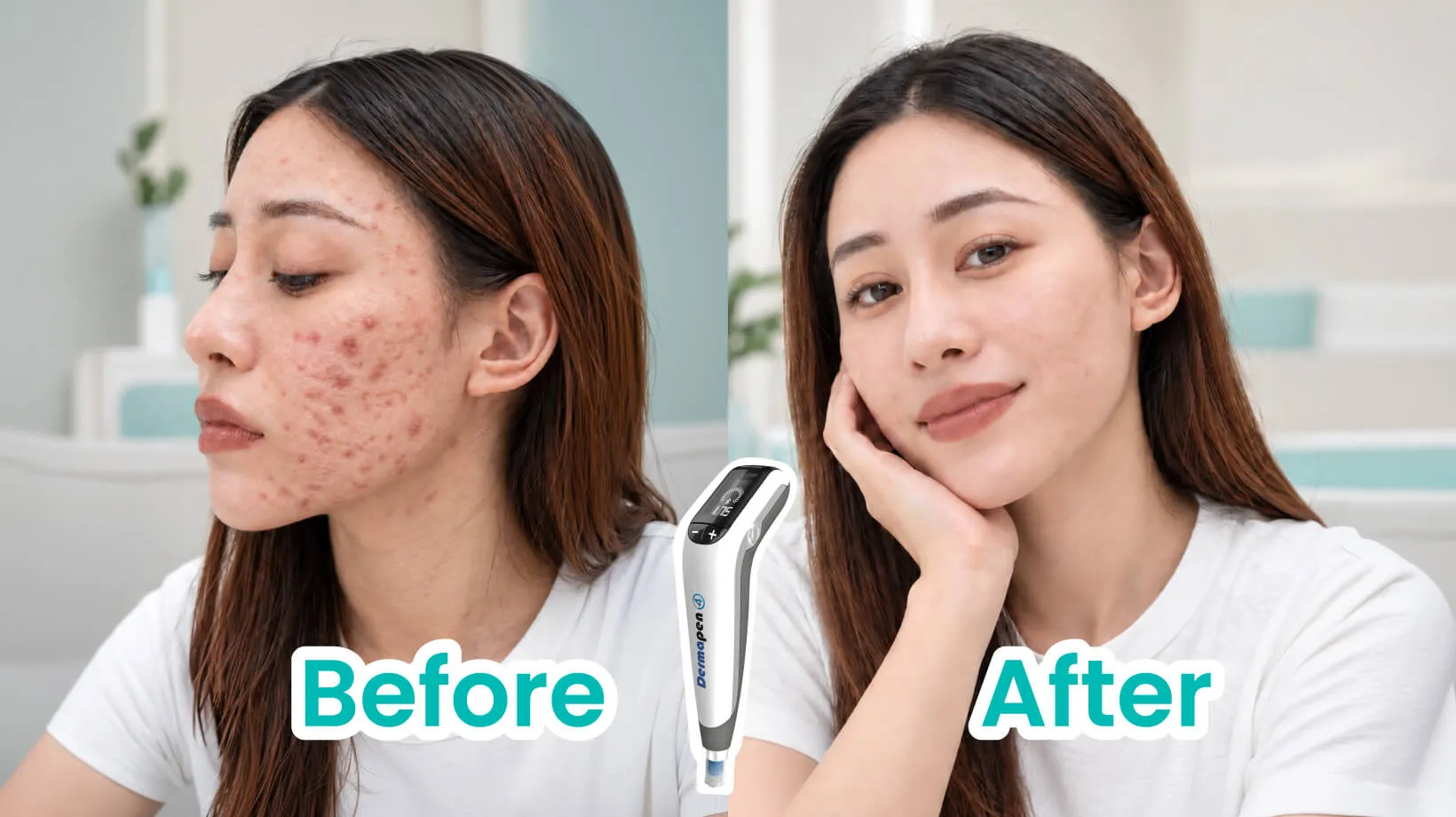
Acne scars are one of the most persistent skin concerns patients seek help for. Once the breakouts are under control, the marks left behind can feel just as difficult to deal with. Microneedling has become a widely discussed treatment for acne scars, and understanding what it actually does and who it works best for helps set realistic expectations before starting.
This article covers how microneedling works for acne scars, the types of scarring it is most suited to, what the treatment process involves, and how to know whether it is the right option for your skin.
MyClinic provides professional microneedling treatments tailored to each patient’s scar type, skin tone, and history. Every treatment plan begins with a thorough skin assessment to determine the depth, pattern, and severity of scarring before any procedure is recommended.
Microneedling is a minimally invasive procedure that uses a device fitted with fine needles to create controlled micro-injuries across the surface of the skin. These micro-injuries stimulate the skin’s natural wound-healing response, which includes the production of new collagen and elastin.
It is this collagen-building effect that makes microneedling relevant to acne scars. Atrophic scars, the most common type left by acne, form when collagen is lost during the healing process, leaving an indented mark below the surrounding skin. Microneedling works to gradually fill and smooth those indentations by stimulating fresh collagen production from within.
The American Academy of Dermatology lists microneedling as a recognised option dermatologists use for treating acne scars, noting that it is safe for all skin tones.
The short answer is yes, for the right type of scarring and with the right expectations. Microneedling is most effective on atrophic acne scars, which include rolling scars, boxcar scars, and shallow icepick scars. According to the American Academy of Dermatology, microneedling prompts the skin to produce new collagen and elastin, which is what gradually softens the appearance of indented scars. The degree of improvement varies depending on scar severity, skin type, and treatment consistency.
Results are not immediate. The collagen remodelling process takes time, and most patients see gradual improvement across multiple sessions rather than a single dramatic change. Deep icepick scars and raised keloid scarring respond less predictably to microneedling, and a different or combined approach is usually more appropriate for these. A professional assessment before committing to any plan ensures the right treatment is matched to the right scar type.
MyClinic’s acne and scar treatments are delivered by trained practitioners using certified equipment, with needle depth and treatment intensity adjusted to each patient’s specific scarring pattern and skin condition.
Microneedling tends to work best for patients who:
Microneedling is generally not recommended for patients with active acne across the treatment area, open skin infections, or certain skin conditions. A consultation will identify whether any contraindications apply before treatment begins.
A microneedling session begins with a topical numbing cream to minimise discomfort and typically takes between 20 and 60 minutes. Most patients experience redness and mild sensitivity for 24 to 48 hours afterwards and return to their normal routine within a day or 2.
A course of 3 to 6 sessions spaced 4 to 6 weeks apart is usually recommended for meaningful improvement in acne scars, with results continuing to develop for several months after the final session. For patients with more complex or layered scarring, our aesthetic clinic treatments that fade scars guide covers options that can be combined with microneedling for a more comprehensive approach.
Consider booking a consultation if you notice:
If any of these apply, a professional assessment will clarify the most suitable approach.
Microneedling works best alongside a consistent skincare routine. To support healing and maintain results between sessions:
Most patients require between 3 and 6 sessions to achieve meaningful improvement, spaced 4 to 6 weeks apart. The exact number depends on scar severity, depth, and how the skin responds to each treatment.
A topical numbing cream is applied before the procedure, which significantly reduces discomfort. Most patients describe a mild scratching or pressure sensation during treatment rather than pain.
Yes. Microneedling is considered one of the safer options for deeper and Asian skin tones because it does not use heat or light energy that can trigger pigmentation changes, making it a particularly relevant choice for patients who may not be suitable candidates for certain laser treatments.
Initial improvements may be visible within a few weeks of the first session, but the most significant results typically develop 3 to 6 months after completing a full course, as collagen continues to remodel beneath the skin.
Yes. Microneedling is commonly combined with treatments such as chemical peels or laser resurfacing to enhance results for more severe or complex scarring. Your practitioner will recommend the most appropriate combination during your consultation.
Microneedling is a clinically supported, minimally invasive option that delivers meaningful improvement for atrophic acne scars when used correctly and consistently. It works by stimulating the skin’s own collagen production, gradually smoothing indented scarring over a course of treatments. For the right patient, the outcomes can be significant and lasting.
If you are ready to address your acne scars with a professional plan, the experienced team at MyClinic is here to help. Contact MyClinic to book a consultation and take the first step toward smoother, clearer skin.